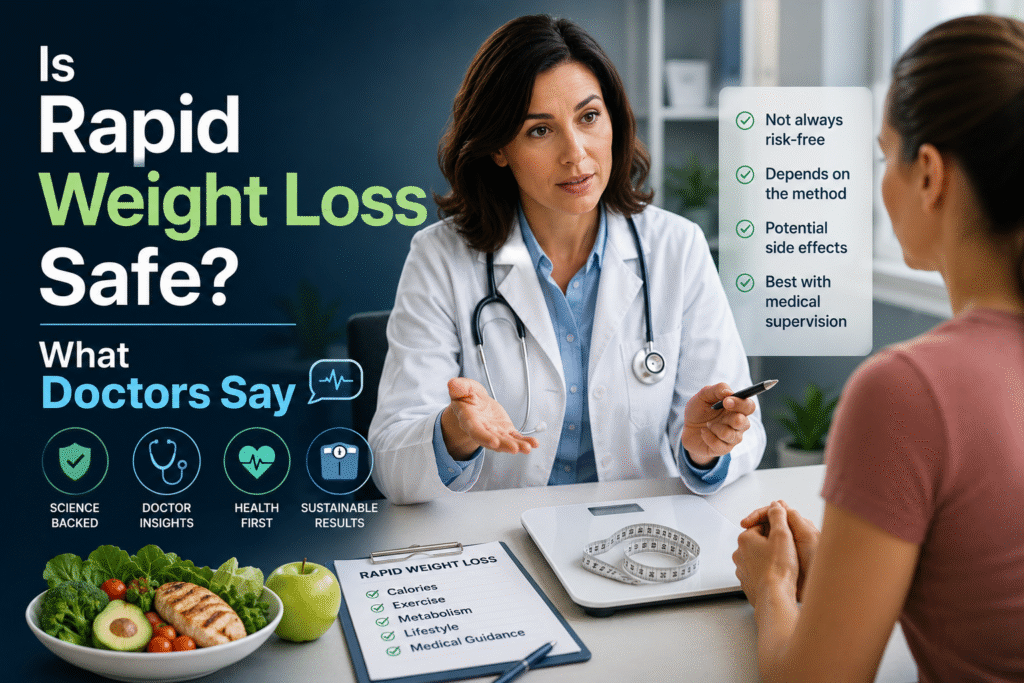
People often search for fast results when trying to shed extra pounds. Whether preparing for an upcoming wedding, addressing serious health concerns, or feeling frustrated by slow progress, the desire for immediate change is incredibly common.
This eagerness fuels the immense popularity of crash diets, detox cleanses, extreme workout plans, and even certain weight loss injections. The internet is flooded with promises of transforming your body in just a few weeks. But a critical question remains: is rapid weight loss actually safe?
While the appeal of dropping sizes overnight is strong, medical experts frequently warn against unsupervised, quick-fix approaches. Understanding the difference between healthy progress and potentially dangerous extremes can help you protect your body while working toward your goals.
What Counts as Rapid Weight Loss?
Before evaluating the risks, we must define what actually constitutes fast weight loss. For most adults, safe weight loss involves dropping about one to two pounds per week. At this steady pace, the body has time to adapt, and you are more likely to lose fat rather than essential muscle or water weight.
Conversely, rapid weight loss generally means losing more than two to three pounds on a consistent weekly basis. Individual bodies respond differently based on a variety of personal factors. A person’s starting weight plays a massive role; those with a higher body mass index (BMI) might safely lose more weight initially. Other factors influencing the speed of weight reduction include underlying medical conditions, overall diet quality, daily exercise habits, and the use of prescription treatments. Regardless of these variables, quick weight loss without professional oversight often pushes the body beyond its natural limits.
Why People Pursue Rapid Weight Loss
The drive to drop weight quickly rarely comes from nowhere. Many individuals desperately want immediate results after hitting a frustrating plateau in their fitness journey. Others face urgent obesity-related health risks, prompting a sudden desire to improve their cardiovascular or metabolic health.
Social pressure and body image concerns also play a significant role. Preparing for a major life event, such as a vacation or a wedding, often triggers a frantic search for extreme diets. Furthermore, social media trends heavily promote unrealistic transformations. Influencers frequently showcase dramatic before-and-after photos achieved in impossibly short timeframes, creating a false expectation that sustainable results happen overnight.
Potential Risks of Rapid Weight Loss
Pushing your body to shed pounds too quickly carries significant physical and psychological consequences. According to medical professionals, severe calorie restriction frequently leads to dangerous nutrient deficiencies. When you drastically cut food intake, you miss out on essential vitamins and minerals required for basic bodily functions.
Healthcare experts warn that quick-fix diets often result in muscle loss rather than fat loss. Without adequate protein and calories, the body begins breaking down lean muscle tissue for energy. Another alarming physical risk is the development of gallstones, which frequently occur during extreme dieting phases.
Furthermore, severe caloric deficits trigger a survival response, leading to a slower metabolism. The body naturally adapts to starvation mode by burning fewer calories, making future weight management much harder. People also experience intense fatigue and weakness due to inadequate nutrition.
Physical changes like loose skin are common after massive, rapid drops in weight. Beyond the physical toll, the mental health impact can be devastating. Extreme diets often foster obsessive eating habits, intense emotional stress, and a negative relationship with food that can last for years.
When Rapid Weight Loss May Be Medically Supervised
While fad diets are strongly discouraged, there are specific situations where doctors actively approve and manage a faster pace of weight reduction. Physician-supervised programs provide highly structured plans that include continuous patient monitoring.
These interventions often involve modern weight loss medications, such as GLP-1 receptor agonists, which help regulate appetite and blood sugar under strict medical oversight. Another approved avenue is bariatric surgery, which naturally induces a rapid weight loss phase post-operation.
Doctors typically recommend these aggressive approaches for patients facing severe obesity-related medical conditions. Conditions like type 2 diabetes, high blood pressure, and sleep apnea pose immediate threats to a person’s life. In these specific medical scenarios, the benefits of quickly reducing excess weight outweigh the associated risks. It is crucial to understand that a closely monitored, doctor-guided treatment plan fundamentally differs from a dangerous, unsupervised fad diet.
What Doctors Recommend for Safe, Sustainable Results
For the vast majority of people, medical experts champion healthy weight loss strategies built on sustainable lifestyle changes. Gradual fat loss tends to be much easier to maintain over the long run because it relies on establishing good habits rather than starvation.
A safe approach always starts with a balanced nutrition plan that includes all essential macronutrients. Coupling this with regular exercise—especially strength training to preserve valuable muscle mass—ensures the body burns fat effectively while staying strong.
Doctors also emphasize lifestyle factors that many people overlook. Getting adequate sleep and practicing effective stress management directly impact the hormones that regulate hunger and fat storage.
Finally, setting realistic goals and seeking personalized medical support can make a world of difference. Consulting a registered dietitian or a physician helps create a customized plan tailored to your specific metabolic needs.
Warning Signs Your Weight Loss Plan May Be Unsafe
Recognizing the red flags of a dangerous diet can save you from long-term health complications. The most obvious warning sign is extreme calorie restriction or a plan that requires eliminating entire essential food groups.
Pay close attention to physical symptoms. Experiencing frequent dizziness, sudden hair loss, or constant fatigue indicates that your body is not receiving the fuel it desperately needs. Another glaring red flag is rapid rebound weight gain once you slightly deviate from the diet plan. Finally, be highly skeptical of any commercial program promising outrageous results, such as losing 20 pounds in one week. These claims are almost always unsafe and scientifically impossible to achieve through fat loss alone.
Choosing Long-Term Health Over Quick Fixes
Achieving a healthier body weight is a commendable goal, but rapid weight loss may not always be safe. While the allure of instant results is powerful, the potential damage to your metabolism, muscle mass, and mental health simply isn’t worth the risk.
Prioritizing long-term wellness over temporary quick fixes ensures that the weight you lose stays off for good. Sustainable habits, balanced nutrition, and patience will always outperform extreme, restrictive diets. If you’re considering significant weight loss, consulting qualified medical professionals can help determine the safest path forward.