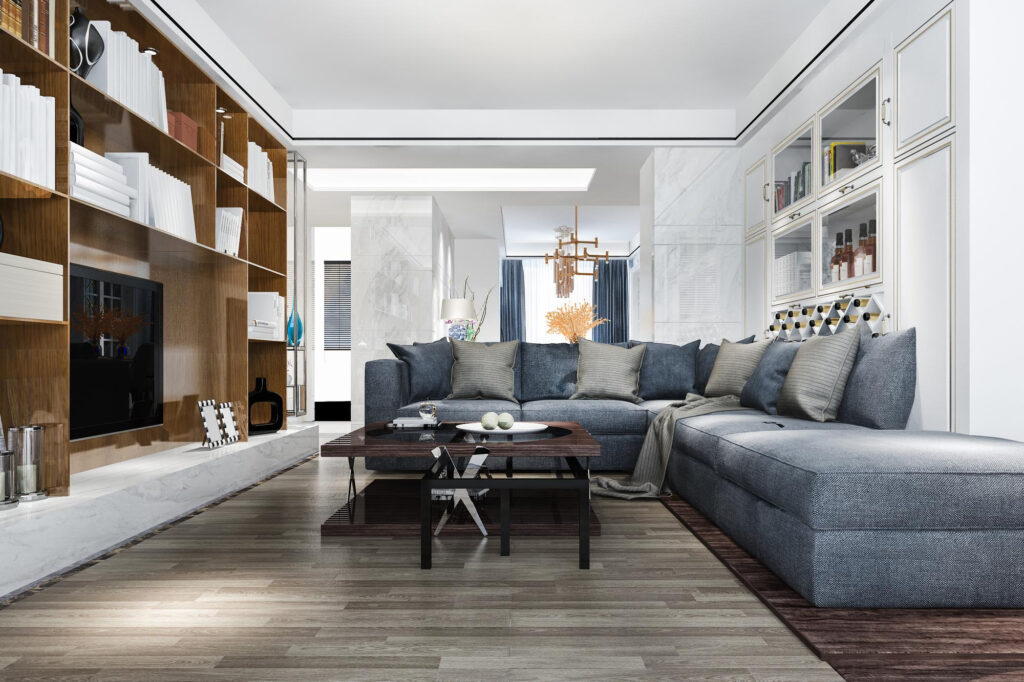
Open-concept living spaces have become a hallmark of modern home design, especially in areas like Santa Clara, CA, where homeowners often seek to maximize space and improve the flow between rooms. An open floor plan removes traditional barriers between spaces like the kitchen, dining room, and living room, creating a seamless, airy environment that encourages interaction, movement, and natural light.
The open-concept layout promotes a sense of spaciousness, makes small homes feel larger, and enhances communication and connection within the home. However, creating an open-concept living space requires thoughtful planning and design to ensure the space remains functional, comfortable, and visually appealing.
If you’re considering an open-concept layout for your home, there are several essential features and design elements that can make the space work for you.
Flowing Layouts That Connect Key Spaces
The first key feature of an open-concept living space is the layout itself. Without walls separating the kitchen, dining, and living areas, it’s important to create a flow that feels natural and functional. Each area should be clearly defined but seamlessly connected to the others.
Start by considering how you’ll use each space. For example, the kitchen should flow into the dining area with minimal disruption, allowing for easy serving and conversation. Similarly, the living room should connect comfortably with the dining area to create an inviting environment for entertaining or relaxing with family.
Strategic furniture placement is important here. Arranging furniture in a way that maintains a sense of openness while defining each space within the room is crucial. For example, placing a large area rug under the living room seating can visually separate the space from the dining area, while maintaining an open and connected layout.
Natural Light to Enhance Spaciousness
One of the main benefits of an open-concept space is the increase in natural light. When walls are removed, natural light can flood through the space, making the entire area feel brighter and more open.
To make the most of this feature, use large windows, sliding glass doors, and even skylights to bring in as much light as possible. In Santa Clara, where the weather is generally sunny, it’s especially important to use natural light as a design element to create warmth and openness.
If your space has limited windows or if privacy is a concern, consider installing large glass doors that open to outdoor areas, such as patios or decks. This connection between the inside and outside not only brings in more light but also creates a sense of expansion, making the space feel even larger.
Integrated Storage Solutions
Open-concept spaces can sometimes feel cluttered if there’s not enough storage. Since there are fewer walls and traditional cabinetry options, creative storage solutions are essential for maintaining a tidy and functional space.
Consider built-in shelving, cabinets, and multifunctional furniture to store items out of sight while maintaining the open feel of the room. For example, an island with built-in storage in the kitchen can hide kitchen appliances and keep counter space clear.
In the living area, built-in cabinets along the walls can store books, electronics, and other items without overcrowding the space. Additionally, multi-purpose furniture like ottomans with hidden storage or sofas with under-seat compartments can help maximize space.
For those looking for inspiration and advice on the best storage solutions in an open-concept layout, many turn to professionals who specialize in home remodeling. Homeowners in Santa Clara often explore project ideas and design options when they want to create a space that blends style and functionality. You can also Read more About Us to understand how experienced designers can help with your open-concept home transformation.
Cohesive Design Elements
In an open-concept living space, it’s essential to maintain a cohesive design throughout the entire room. Because the space lacks the natural division created by walls, design elements such as color, texture, and materials should be consistent across different areas of the room.
To achieve a cohesive look, choose a color palette that works well across the various spaces. Light, neutral colors often work well in open-concept spaces because they reflect light and create a unified, airy feel. Accent colors can be introduced through furniture, artwork, and decor to add personality and vibrancy without overwhelming the space.
The materials you use for furniture, flooring, and finishes should also complement one another. For instance, using hardwood flooring throughout the entire space, complemented by similar wood tones in furniture and cabinetry, can help create continuity and a sense of balance. Textures, such as soft fabrics and smooth metals, can also be used to add interest without disrupting the flow of the design.
Defined Zones Without Physical Barriers
While open-concept spaces eliminate walls, it’s important to define different functional zones within the space. This can be done with careful furniture arrangement, area rugs, and subtle changes in flooring materials.
For example, a living room area can be defined by arranging seating around a coffee table, while the dining area can be set off by a large dining table and chairs. A change in flooring material, such as transitioning from hardwood to tile or carpet, can help delineate the dining space without creating a physical barrier.
Adding a feature such as a large piece of artwork or a focal point like a fireplace can also help to divide the space into functional zones while maintaining the open, connected feel.
Technology for Seamless Integration
Technology plays an important role in modern open-concept homes. With fewer walls, it can be more challenging to integrate electronic systems, such as sound systems or home automation devices, into the design.
However, with the right approach, technology can enhance the functionality and comfort of the space. Wireless speakers and built-in surround sound systems can provide high-quality audio throughout the space without the need for bulky equipment.
Smart home systems that control lighting, temperature, and security can also be integrated into an open-concept design, making it more convenient for homeowners to manage their space without sacrificing style.
Key Takeaways
Creating an open-concept living space is about balancing style with functionality. Open layouts that connect key areas like the kitchen, dining room, and living room help maximize space and encourage interaction.
Natural light is one of the biggest benefits of open-concept design, and large windows, glass doors, and skylights can help make the most of this feature. Creative storage solutions, such as built-in cabinets and multi-purpose furniture, keep spaces organized while maintaining an airy feel.
A cohesive design throughout the room ensures that all areas of the home work together seamlessly. Defining different zones with furniture arrangements and changes in flooring material helps create structure without closing off the space.
Technology can also enhance an open-concept home by integrating smart systems that control lighting, temperature, and entertainment, all while maintaining a clean and connected look.
For homeowners in Santa Clara, adopting these design elements can turn an open-concept layout into a functional, stylish, and inviting living space that suits modern lifestyles. Thoughtful design choices ensure that every square foot is used effectively, creating a home that feels both spacious and connected.