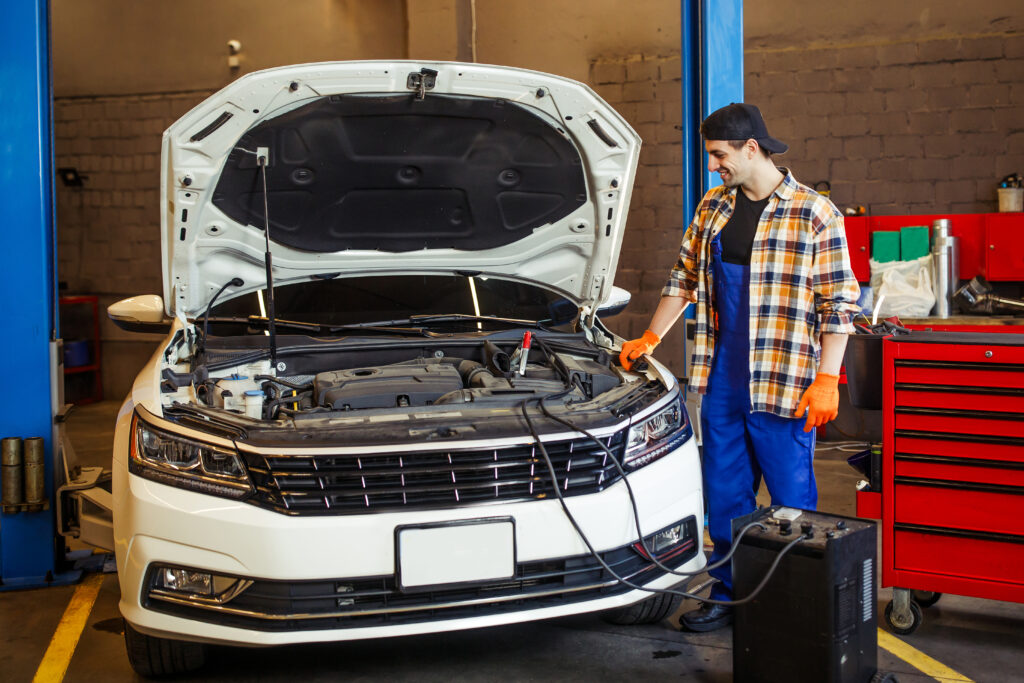
Many modern vehicles are capable of lasting well beyond 100,000 miles with proper maintenance. However, as mileage increases, even reliable cars eventually begin needing repairs more often. Parts wear down gradually over years of driving, and aging systems become less dependable under daily use.
High mileage alone does not automatically mean a vehicle is unreliable, but it does increase the likelihood that multiple components are approaching the end of their service life at the same time.
Every Mile Adds Wear to Mechanical Components
Vehicles contain thousands of moving parts constantly exposed to:
- Heat
- Friction
- Pressure
- Vibration
As mileage accumulates, this repeated stress gradually affects nearly every system inside the vehicle.
Important components such as:
- Engines
- Transmissions
- Suspension systems
- Bearings
- Cooling systems
all experience wear simply through regular operation.
Eventually, repairs become more common because older components can no longer perform as effectively as they once did.
Engines Become Less Efficient Over Time
High-mileage engines often begin showing signs of wear internally.
Common issues may include:
- Oil leaks
- Reduced compression
- Increased oil consumption
- Carbon buildup
- Timing component wear
While many engines continue operating for years despite these problems, performance and reliability often decline gradually.
Drivers may notice rougher idling, slower acceleration, or worsening fuel economy as mileage increases.
Suspension Systems Wear Down Gradually
Suspension components absorb constant impact from roads, potholes, and uneven surfaces.
Over time, high-mileage vehicles commonly develop worn:
- Shocks
- Struts
- Ball joints
- Bushings
- Tie rods
These issues may lead to:
- Rough rides
- Vibrations
- Steering looseness
- Uneven tire wear
Because suspension wear happens slowly, many drivers adjust to declining ride quality without realizing how much the vehicle has changed.
Transmissions Experience Continuous Stress
Automatic and manual transmissions both wear gradually with age and mileage.
High-mileage transmissions may develop:
- Delayed shifting
- Slipping gears
- Fluid leaks
- Rough shifting
- Internal wear
Transmission repairs are often expensive because of the labor and specialized parts involved.
Even properly maintained transmissions eventually experience wear after years of operation.
Electrical Problems Increase as Vehicles Age
Modern vehicles rely heavily on electronics, and electrical reliability often declines as mileage and age increase.
Older high-mileage vehicles may experience:
- Sensor failures
- Wiring corrosion
- Starter problems
- Charging system issues
- Dashboard warning lights
Electrical issues can become especially frustrating because symptoms may appear inconsistently before complete failure occurs.
Cooling Systems Become More Vulnerable
Cooling systems also weaken over time.
High-mileage vehicles frequently develop problems involving:
- Radiators
- Water pumps
- Hoses
- Thermostats
- Cooling fans
If cooling system maintenance is delayed, overheating risks increase significantly.
Repeated overheating can quickly lead to severe engine damage in older vehicles.
Rubber Components Deteriorate With Age
Mileage is not the only factor affecting wear. Time itself also damages rubber materials throughout the vehicle.
Older vehicles commonly develop:
- Cracked hoses
- Worn seals
- Dry-rotted belts
- Suspension bushing wear
Heat and environmental exposure accelerate this deterioration even further.
These problems often contribute to leaks, vibrations, and mechanical instability.
Multiple Repairs Often Happen Together
One reason high-mileage vehicles become expensive to maintain is that several systems may begin failing around the same period.
An older vehicle may suddenly require:
- Brake work
- Suspension repairs
- Transmission service
- Cooling system repairs
- Electrical diagnostics
While individual repairs may seem manageable, combined repair costs can rise quickly.
This is especially true once the vehicle’s resale value begins declining significantly.
Preventative Maintenance Helps Extend Lifespan
Routine maintenance plays a major role in how well high-mileage vehicles age.
Helpful practices include:
- Regular oil changes
- Fluid inspections
- Cooling system service
- Tire maintenance
- Addressing warning lights early
Vehicles that receive consistent care often remain dependable far longer than neglected ones.
However, no amount of maintenance can stop normal aging and wear forever.
Why Some Owners Eventually Stop Repairing High-Mileage Vehicles
As repair frequency increases, owners often begin evaluating whether continued maintenance still makes financial sense.
A high-mileage vehicle facing multiple expensive repairs may eventually cost more to maintain than its actual market value.
This is one reason many drivers eventually explore alternatives such as Cash For Junk Cars once ongoing repairs begin outweighing the practicality of long-term ownership.
Final Thoughts
High-mileage vehicles require more frequent repairs because years of driving gradually wear down every major mechanical and electrical system.
While proper maintenance can extend a vehicle’s lifespan significantly, aging components eventually lead to rising repair frequency, higher ownership costs, and important decisions about whether continued repairs remain worthwhile.